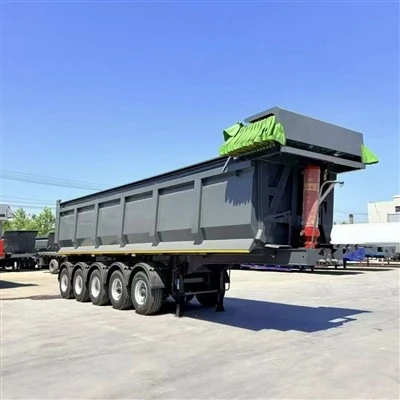
https://www.pingancheye.com/semi-trailer/stake-semi-trailer/side-wall-semi-trailer-truck.htmlThe 80‑ton side‑wall semi‑trailer features an open‑style cargo box with fence rails. Widely used for medium‑ and long‑distance cargo transportation, it is one of the earlier transport models put into service. Boasting strong adaptability, it can carry steel products, timber, stone materials and large‑scale equipment. It is capable of handling many over‑length, over‑width and over‑height goods. With low loading‑unloading resistance, it can transport most cargoes within its load‑bearing range.
Nevertheless, this trailer imposes high requirements on operators. Cargo placement, tarpaulin covering and rope lashing demand physical strength and rely on the coordination, practical experience and professional skills of drivers and loaders. Improper cargo arrangement or insufficient securing may easily lead to potential safety hazards during transit. Therefore, standardized loading operations are mandatory to ensure safe and stable transportation throughout the whole journey.


Inspection Items Before Operating the 80‑Ton Side‑Wall Semi‑Trailer
Before departure of the 80‑ton side‑wall semi‑trailer, check all fluids and components. Inspect the levels of engine oil, antifreeze, brake fluid and booster pump oil in the engine compartment, and verify whether oil pipes are damaged and bolt torque meets standards. Meanwhile, check tire pressure. Worn‑down tire tread reduces road grip; replace tires promptly if wear is severe. For the chassis, focus on inspecting the steering system, oil pipes and bolt tightness. Use only special windshield washer fluid instead of plain water. Special washer fluid contains degreasing ingredients with a much lower freezing point, making it better suited for complex driving conditions.
When driving this trailer on icy‑snowy roads, avoid wheel skidding and apply predictive braking. For night‑time driving, decelerate mainly by using engine resistance. In practice, such heavy‑duty semi‑trailers often suffer from insufficient maintenance, leading to poor overall vehicle condition. When travelling on highways at night, the trailer has many taillights yet their brightness is low with poor visibility. Combined with black exhaust smoke obstructing sight, it may create an illusion of fog, raising night‑driving risks, so extra caution is required.
When following a heavy‑duty side‑wall semi‑trailer, slow down in advance when entering and exiting tunnels. Outside the tunnel the light is bright. Upon entering the tunnel, human eyes need a short period for dark adaptation, resulting in temporary blurred vision. When exiting, sudden strong sunlight causes dizziness. Rapid alternation between light and dark triggers significant visual adaptation changes and blurred sight. This physiological effect impairs drivers' judgment of road conditions and increases hazards. Always control vehicle speed and proceed with caution.
Pay attention to the operating status of surrounding semi‑trailers. A side‑wall semi‑trailer parked near mine openings, under repair, or operated with improper flickering‑light behaviour carries a risk of loss‑of‑control. Excessive speed or insufficient following distance can easily cause traffic accidents. Heavy‑duty trailers are large‑sized with great inertia. Affected by vehicle condition, light variation and human operation, stay alert throughout the trip and maintain sufficient safety distance to avoid potential dangers.