


Overheating is a significant concern when towing a trailer, as it can lead to mechanical failures, reduced efficiency, and even safety hazards. As a reputable towing trailer supplier, we understand the importance of preventing overheating and ensuring a smooth and safe towing experience. In this blog post, we will discuss some effective strategies to prevent overheating when towing a trailer.
1. Choose the Right Trailer
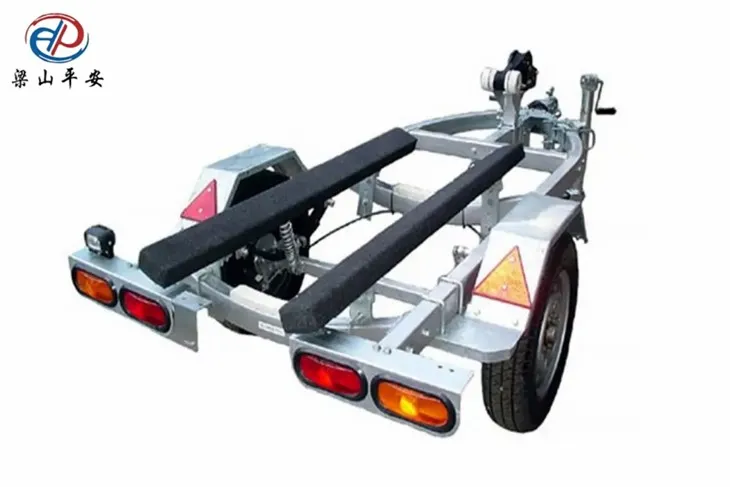
The first step in preventing overheating is to select the right trailer for your vehicle. Consider the weight, size, and type of the trailer you need. Our company offers a wide range of trailers, including the Hydraulic Tipping Agricultural Trailer, Made Kayak Transport Trailers, and Single Axle Hydraulic Dump Trailer. Make sure the trailer's weight capacity matches your vehicle's towing capacity. Overloading the trailer can put excessive strain on your vehicle's engine, transmission, and cooling system, leading to overheating.
2. Maintain Your Vehicle
Regular vehicle maintenance is crucial for preventing overheating. Here are some key maintenance tasks to keep in mind:
Engine Cooling System
The engine cooling system is responsible for regulating the engine's temperature. Check the coolant level regularly and top it up if necessary. Inspect the radiator, hoses, and water pump for any signs of leaks or damage. A clogged radiator or a malfunctioning water pump can cause the engine to overheat. Replace the coolant according to the manufacturer's recommendations, usually every 2 - 5 years.
Transmission
The transmission also generates heat when towing a trailer. Check the transmission fluid level and condition. Low or dirty transmission fluid can cause the transmission to overheat. If you notice any signs of transmission problems, such as slipping gears or rough shifting, have it inspected by a professional mechanic immediately.
Brakes
The brakes on both your vehicle and the trailer are under increased stress when towing. Check the brake pads, rotors, and brake fluid regularly. Worn - out brake pads or low brake fluid can lead to overheating brakes, which can reduce braking performance and cause safety issues.
3. Plan Your Route
Planning your route in advance can help you avoid situations that may cause your vehicle to overheat. Avoid steep hills, long inclines, and heavy traffic whenever possible. Steep hills require your engine to work harder, which can generate more heat. If you have to drive on hilly terrain, use a lower gear to keep the engine RPMs in a safe range. This will reduce the strain on the engine and prevent overheating.
4. Monitor Temperature Gauges
Your vehicle is equipped with temperature gauges for the engine and transmission. Keep an eye on these gauges while towing. If you notice that the temperature is rising above the normal range, pull over to a safe location as soon as possible. Let the vehicle idle for a few minutes to allow the engine to cool down. Do not open the radiator cap when the engine is hot, as this can cause hot coolant to spray out and cause serious burns.
5. Use Auxiliary Cooling Systems
If you frequently tow heavy loads or drive in hot weather, consider installing auxiliary cooling systems. An auxiliary transmission cooler can help keep the transmission fluid at a safe temperature by dissipating heat more efficiently. An engine oil cooler can also reduce the temperature of the engine oil, which helps to lubricate and cool the engine components. These additional cooling systems can significantly reduce the risk of overheating.
6. Take Breaks
Long - distance towing can put a lot of stress on your vehicle. Take regular breaks to give your vehicle a chance to cool down. Stop every 2 - 3 hours or sooner if you notice any signs of overheating. During breaks, check the engine coolant level, transmission fluid, and tire pressure. Make sure there are no visible signs of leaks or damage.
7. Properly Load the Trailer
How you load the trailer can also affect the vehicle's temperature. Distribute the weight evenly across the trailer. A trailer that is loaded unevenly can cause the vehicle to work harder, leading to increased heat generation. Place heavier items closer to the axle of the trailer to maintain balance. Also, make sure the load is secured properly to prevent shifting during transit, which can also cause handling issues and increased stress on the vehicle.
Conclusion
Preventing overheating when towing a trailer is essential for a safe and enjoyable towing experience. By choosing the right trailer, maintaining your vehicle, planning your route, monitoring temperature gauges, using auxiliary cooling systems, taking breaks, and properly loading the trailer, you can significantly reduce the risk of overheating.

As a towing trailer supplier, we are committed to providing high - quality trailers and useful information to our customers. If you are interested in purchasing a trailer or have any questions about towing, please do not hesitate to contact us. We are here to help you find the perfect trailer for your needs and ensure that you have a smooth and safe towing experience.
References
- Haynes, John. "Haynes Repair Manuals". Haynes Publishing Group.
- Chilton, Auto Repair Manuals. Chilton Books.


